No Hot Water in London Home? 7 Common Causes
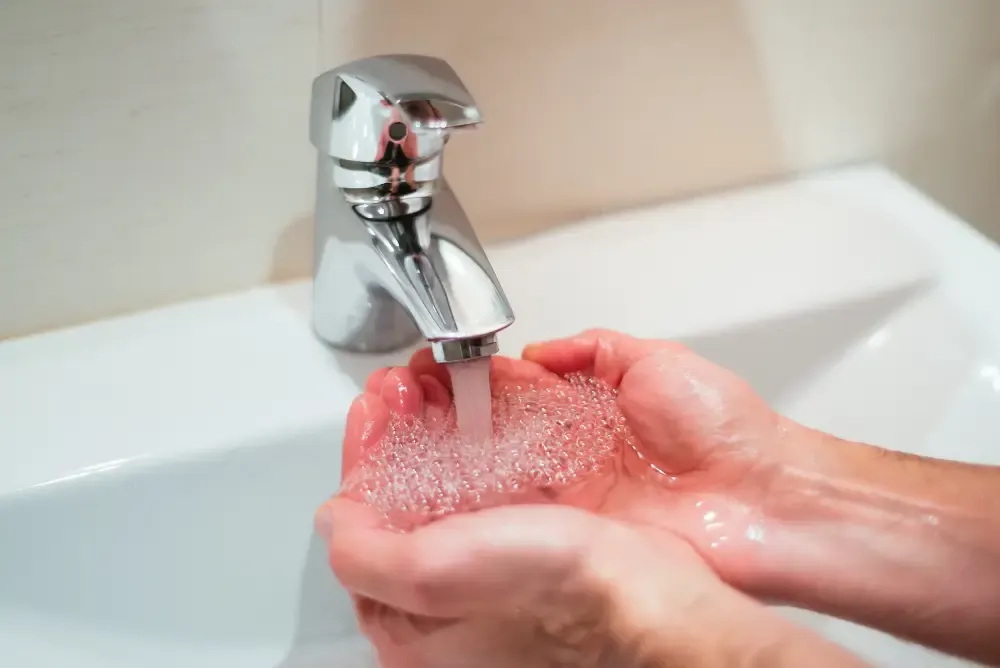
Few household problems are as frustrating as turning on the tap or stepping into the shower only to find there’s no hot water. It always seems to happen at the worst possible moment—before work, on a cold morning, or just when you need to wash up after dinner.
In London homes, hot water issues can happen for several different reasons. Some are quick fixes, while others need professional attention. Flats, older terraced houses, and newer developments can all experience problems depending on the type of boiler or hot water system installed.
The first thing to do is stay calm and work through a few basic checks. In many cases, the cause is something simple. Here are seven of the most common reasons your hot water has stopped working.
Check Whether It’s Just Hot Water or Heating Too
Before looking at individual faults, check whether your central heating is still working. If the radiators are warming up but taps are cold, that helps narrow down the issue. If both heating and hot water have stopped, the fault may be linked to the boiler, power supply, pressure, or controls.
This quick check can save time and gives a heating engineer a clearer picture if you need to call one out.
1. Boiler Pressure Is Too Low
Low boiler pressure is one of the most common reasons for hot water problems in homes with a combi boiler.
Most boilers need to maintain a certain pressure level to operate properly. If pressure drops too far, the system may stop producing hot water or shut down altogether. You can usually check the pressure gauge on the front of the boiler. Many systems work best around 1 to 1.5 bar when cold, although this varies by model.
Pressure can fall over time due to bleeding radiators, minor leaks, or recently carried out maintenance.
Some boilers allow you to top the pressure up using the filling loop. If you’re confident and have your manual, this may be a straightforward fix. If pressure keeps dropping, there could be a leak or another fault that needs investigating.
2. Thermostat or Timer Settings Have Changed
Sometimes there’s nothing wrong with the boiler at all. The settings may simply have changed.
It’s more common than people think. A timer may have reset after a power cut, someone may have switched the hot water programme off accidentally, or the thermostat could be set too low.
This often happens in rental properties or shared homes where several people use the controls but no one is quite sure how they work.
Check:
- The boiler display screen
- Programmer or timer settings
- Room thermostat
- Hot water schedule
- Any smart heating app connected to the system
If settings look unusual, correcting them may restore hot water straight away.
3. Frozen Condensate Pipe
During colder weather, especially in winter, a frozen condensate pipe is a common issue across London.
Modern condensing boilers produce acidic wastewater that drains away through a plastic pipe, often routed outside. If temperatures drop below freezing, that pipe can ice up and block the system. Many boilers then lock out as a safety measure.
You may notice an error code on the display or hear the boiler trying to start without success.
In some cases, carefully pouring warm (not boiling) water over the frozen section can thaw it. Once cleared, resetting the boiler may get it running again.
If the pipe is difficult to reach or keeps freezing every winter, it’s worth having it repositioned or insulated properly.
4. Diverter Valve Fault
If you have a combi boiler and the heating works but taps stay cold, the diverter valve may be the problem.
This component directs hot water either to your radiators or to your taps and shower when needed. If it becomes stuck or fails, the boiler may continue heating radiators but fail to send hot water where you need it.
A faulty diverter valve is not usually a DIY repair. It involves opening the boiler casing and handling internal components, which should only be done by a qualified engineer.
5. Pilot Light or Ignition Failure
Older boilers may use a pilot light, while newer systems rely on electronic ignition.
If the flame doesn’t ignite, the boiler cannot heat water. There are several reasons this can happen, including worn ignition parts, gas supply issues, faulty sensors, or internal component failure.
Some systems can be reset using the manufacturer’s instructions. If the boiler repeatedly fails to ignite, don’t keep trying endlessly. Repeated lockouts often indicate an underlying fault that needs proper diagnosis.
If you ever smell gas, leave the property, turn off the supply if safe to do so, and contact the emergency gas service immediately.
6. Faulty Motorised Valve or Cylinder Issue
Homes with a regular or system boiler and separate hot water cylinder can experience different faults from combi boilers.
If you have stored hot water, the issue may be:
- A failed motorised valve
- Broken cylinder thermostat
- Programmer fault
- Immersion heater failure
- Airlock or circulation issue
In these systems, the boiler may still run normally, but hot water is not reaching or heating the cylinder properly.
This is common in larger London houses and converted properties where older heating systems are still in place.
7. Boiler Needs Servicing or Has Internal Wear
Boilers work hard throughout the year, especially in busy households. Over time, parts wear out, sensors fail, limescale builds up, and sludge can affect efficiency.
If your boiler is older and hot water has become unreliable, fluctuates in temperature, or takes ages to come through, it may simply need servicing or repairs.
Annual servicing helps catch these issues early. It also keeps the appliance running more safely and efficiently.
Skipping maintenance often leads to breakdowns at the most inconvenient time—usually when demand is highest.
Things You Can Check Safely Yourself
Before booking a repair, there are a few sensible checks most homeowners can do:
- Is the boiler switched on?
- Has the fuse tripped?
- Is there credit on the prepayment meter?
- Has the timer reset?
- Is the pressure low?
- Is there an error code on the display?
- Are neighbours affected by a wider water issue?
These simple checks can sometimes solve the problem or at least help identify what’s wrong.
When to Call a Professional
If you’ve gone through the basics and still have no hot water, it’s time to bring in a qualified engineer.
Boilers contain gas, electrics, sealed components, and pressurised systems. Attempting internal repairs yourself can be dangerous and may make the fault more expensive to fix.
A professional can test the appliance properly, identify the cause, and get your hot water back as quickly as possible.
Hot Water Problems in London Homes
London properties vary enormously. You might live in a Victorian terrace with an ageing system, a flat with a compact combi boiler, or a modern apartment with building-managed hot water. That’s why there’s no single answer when hot water stops.
The key is identifying whether the issue is a simple setting, a frozen pipe, low pressure, or a mechanical fault. Acting early usually means a faster and cheaper repair.
If your boiler is struggling, your taps stay cold, or your hot water keeps cutting out, contact us today for Expert Plumbing Services in London.