Why Your Radiators Are Not Heating Properly
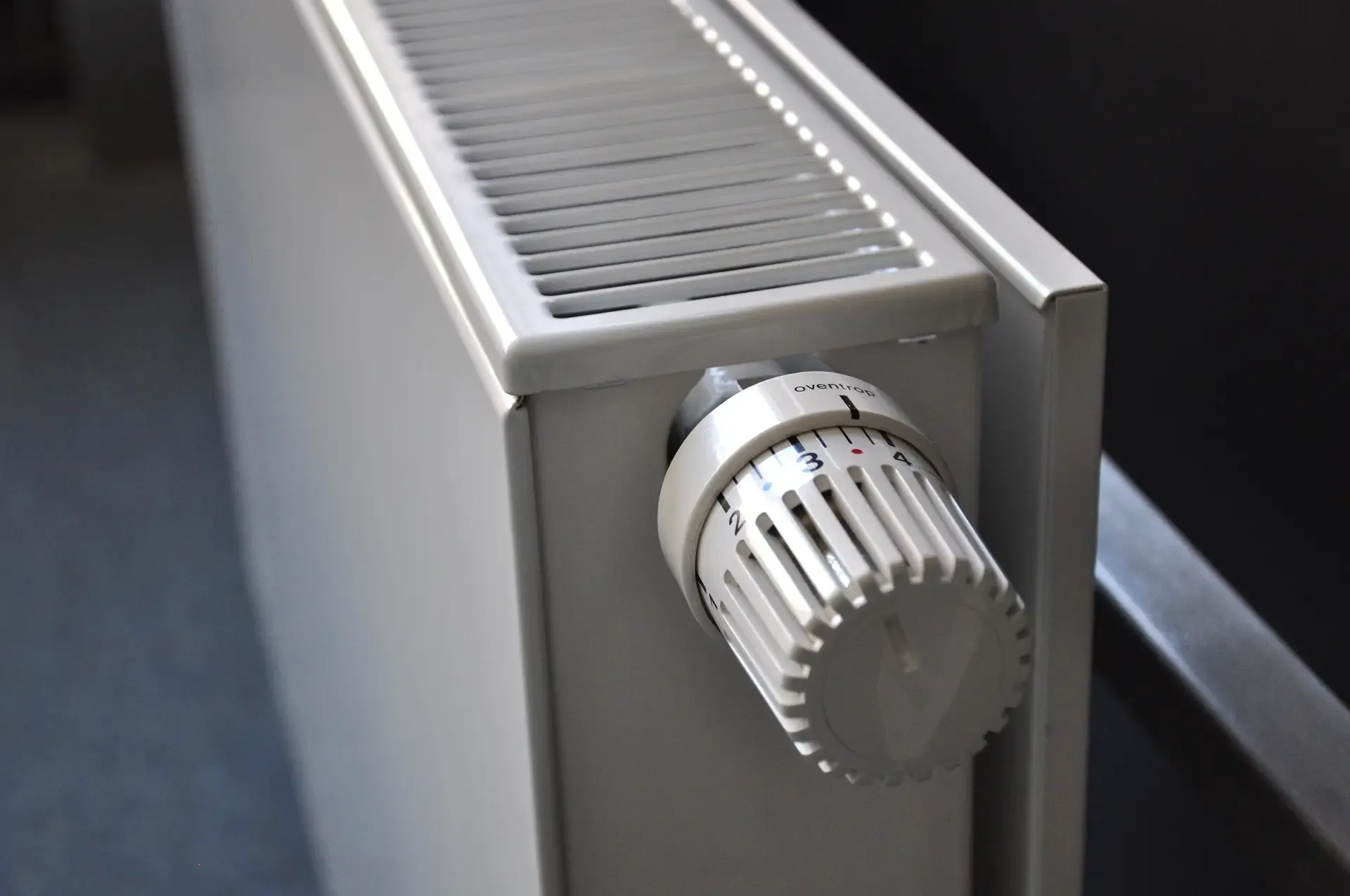
There’s nothing more frustrating than turning on your heating and finding that your radiators just aren’t doing their job. Whether they’re lukewarm, stone cold, or only heating in patches, it’s a common issue in UK homes—especially as systems age or go without regular maintenance.
The good news is that most radiator problems don’t appear out of nowhere. Like many plumbing and heating issues, there are usually clear causes behind the poor performance. Understanding what’s going wrong can help you decide whether it’s a quick fix or time to call in a professional.
Here’s a closer look at the most common reasons your radiators aren’t heating properly.
Sludge Build-Up in the System
One of the most frequent causes of cold radiators—particularly cold spots at the bottom—is sludge build-up.
Over time, rust, dirt, and debris collect inside your heating system, forming a thick sludge that settles in the radiators. This restricts the flow of hot water, meaning parts of the radiator stay cold even when the heating is on.
If left untreated, sludge can affect your entire system, including the boiler. A professional power flush is usually the most effective way to clear it out and restore proper circulation.
Trapped Air in the Radiator
If your radiator is cold at the top but warm at the bottom, trapped air is likely the issue.
Air can enter the system over time, creating pockets that prevent hot water from filling the radiator fully. The solution is often simple: bleeding the radiator to release the trapped air.
While this is something many homeowners can do themselves, repeated air build-up may indicate a deeper problem within the system.
Faulty Thermostatic Radiator Valve (TRV)
Thermostatic radiator valves (TRVs) control how much hot water flows into each radiator. If a valve gets stuck or fails, it can prevent the radiator from heating up properly.
Sometimes, the pin inside the valve becomes stuck—especially after long periods without use, such as over summer. In some cases, the valve may need replacing altogether.
Balancing Issues Within the System
If some radiators in your home heat up quickly while others stay cold, your system may be out of balance.
Balancing involves adjusting the flow of water so that each radiator heats evenly. Without proper balancing, hot water will always take the path of least resistance, leaving some rooms colder than others.
This is typically a job for a heating engineer, as it requires careful adjustment of each radiator valve.
Low Boiler Pressure
Your heating system relies on adequate pressure to circulate hot water effectively. If the pressure drops too low, radiators may struggle to heat up at all.
You can usually check the pressure using the gauge on your boiler. If it’s below the recommended level, topping it up might solve the issue temporarily—but recurring pressure loss suggests a leak or fault that needs professional attention.
Circulation Pump Problems
The pump is responsible for moving hot water from your boiler to your radiators. If it’s failing or not working efficiently, heat won’t be distributed properly around your home.
Signs of a pump issue include uneven heating, strange noises, or radiators that take a long time to warm up. In many cases, the pump may need repairing or replacing.
Limescale in Hard Water Areas
In many parts of the UK, particularly the South East, hard water can cause limescale to build up inside pipes and radiators.
This reduces water flow and heat transfer, making your heating system less efficient overall. Installing a scale inhibitor or water softener can help prevent future problems, but existing build-up may require professional cleaning.
Blocked or Partially Closed Valves
It may sound obvious, but sometimes the issue is simply that a valve isn’t fully open.
Manual valves or lockshield valves can be accidentally turned or partially closed, restricting water flow. It’s always worth checking both ends of the radiator before assuming a bigger problem.
Ageing Heating System
If your radiators and boiler are getting on in years, performance issues become more common.
Older radiators are less efficient and more prone to internal corrosion. Likewise, ageing boilers may struggle to maintain consistent heat output. While repairs can help in the short term, upgrading parts of your system can make a noticeable difference in comfort and efficiency.
When to Call a Professional
While some issues—like bleeding a radiator—are straightforward, others require proper diagnosis and repair.
If you’re dealing with persistent cold spots, repeated pressure drops, or radiators that simply refuse to heat up, it’s best to bring in a qualified engineer. They can assess the system as a whole and recommend the most effective solution, whether that’s a power flush, valve replacement, or more extensive work.
Keeping Your Radiators Working Efficiently
Regular maintenance goes a long way in preventing heating problems. Annual boiler servicing, occasional system flushing, and checking your radiators before winter can all help keep things running smoothly.
It’s easy to take your heating system for granted—until it stops working properly. By addressing small issues early, you can avoid bigger problems down the line and keep your home warm and comfortable when it matters most.
If your radiators aren’t performing as they should, don’t ignore the signs. A quick fix today could save you from a much bigger headache when the temperature drops. Speak to a qualified heating engineer today at best-heating-plumbing-services.co.uk.