Why Victorian Homes in Kensington Have Plumbing Issues
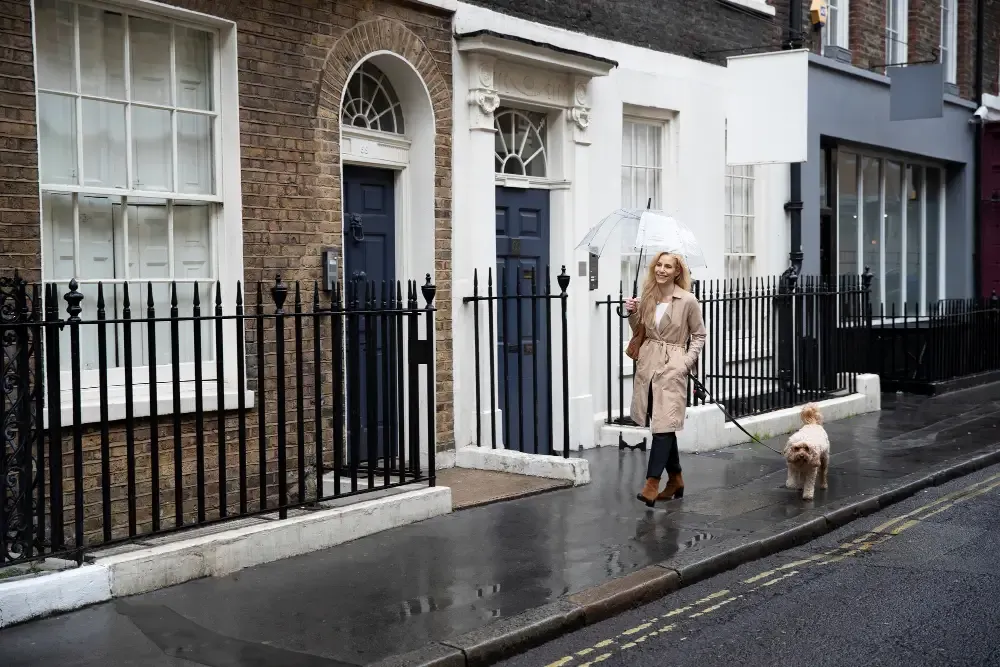
Victorian homes in Kensington are admired for their period features, generous proportions, and timeless character. High ceilings, ornate cornicing, bay windows, and original brickwork make these properties highly desirable. Behind the charm, however, many of these homes still deal with plumbing issues linked to their age, layout, and decades of alterations.
Some problems are minor and easy to sort. Others are hidden behind walls, under floors, or buried in pipework that has been patched, extended, and repaired over many years. Even homes that have been refurbished can still have older sections of plumbing left in place.
That is why owners of Victorian properties in Kensington often experience leaks, pressure issues, drainage problems, and heating faults that seem to return again and again.
Original Pipework Reaches the End of Its Life
One of the biggest causes of plumbing trouble in older homes is ageing pipework.
Many Victorian properties have had sections replaced over time, but it is not unusual to find a mix of materials throughout the same house. Older lead supply pipes, galvanised steel, copper from later upgrades, and modern plastic repairs may all exist side by side.
Different materials age differently. Metal pipes can corrode internally, narrow over time, or develop weak points. Joints may loosen, especially where old and new pipework has been connected together over the years.
Because much of the plumbing is hidden, issues often go unnoticed until a leak appears or water pressure drops.
Low Water Pressure in Upper Floors
Victorian townhouses in Kensington are often tall properties spread across several floors. Bathrooms added on upper levels can suffer from poor pressure, especially if the original plumbing layout was never designed for modern demand.
A house that once had one bathroom may now have three or four, plus en-suites, utility rooms, and powerful showers. If the incoming supply or internal pipe sizes are inadequate, pressure problems soon follow.
Common signs include:
- Weak showers upstairs
- Slow-filling baths
- Poor flow from taps
- Temperature changes when another tap is used
- Appliances taking longer to fill
In many cases, pressure can be improved, but it needs proper assessment rather than guesswork.
Hidden Leaks Beneath Floors and Behind Walls
Victorian homes often have suspended timber floors, original voids, decorative finishes, and solid walls. While these features add character, they can make leaks harder to spot.
A small drip beneath floorboards may continue for months before anyone notices. By that stage, damage may include:
- Stained ceilings below
- Warped floorboards
- Damp smells
- Rotting timber
- Mould growth
- Damaged plaster
Because access can be limited, leak detection in period properties sometimes requires a more careful approach to avoid unnecessary disruption.
Old Drains and Recurring Blockages
Drainage systems in older London properties can be just as troublesome as the internal plumbing.
Victorian drains may have clay pipes, ageing joints, root ingress, partial collapses, or years of build-up. Tree roots are particularly common in established areas with mature gardens and street planting.
Recurring symptoms include:
- Slow sinks or baths
- Toilets backing up
- Gurgling sounds
- Bad odours outside
- Water pooling near gullies
- Frequent blockages returning after clearing
Where a blockage keeps coming back, the issue is often structural rather than simply too much debris.
Previous Alterations and Patchwork Repairs
Many Kensington homes have been altered several times over the decades. A property may have been divided into flats, converted back into a family house, extended at the rear, or modernised room by room.
Each stage of work can leave behind a mixture of plumbing standards and layouts. It is common to find:
- Pipe runs taking awkward routes
- Redundant pipework left capped off
- Undersized waste pipes
- Poorly positioned valves
- Hard-to-access joints
- Inconsistent workmanship from earlier repairs
These legacy issues can make even straightforward jobs more complicated than expected.
Heating Systems Struggle in Large Period Properties
Heating a Victorian home is very different from heating a modern flat.
High ceilings, larger rooms, older windows, and multiple floors all place greater demand on the heating system. If the boiler is undersized or the system has not been balanced properly, some rooms may stay cold while others overheat.
Older radiators can also suffer from internal sludge, trapped air, or worn valves. In homes that have been extended, the original system may not have been upgraded to match the extra demand.
Typical complaints include:
- Cold top-floor bedrooms
- Radiators with cold spots
- Noisy pipework
- Boiler cycling on and off
- Long warm-up times
- Uneven temperatures across floors
Hard Water and Limescale Build-Up
London’s hard water affects homes of every age, but older properties can feel the effects more sharply if they have ageing boilers, narrow pipes, or older taps and valves.
Limescale can build up inside:
- Boilers
- Heat exchangers
- Shower heads
- Taps
- Cylinder components
- Appliances
Over time, this can reduce efficiency, affect water flow, and increase wear on parts.
Limited Access Makes Repairs More Delicate
In many Victorian homes, plumbing work is not just about fixing the fault. It is also about preserving the property.
Pipework may run behind original tiles, beneath expensive flooring, inside fitted joinery, or through decorative walls. Owners naturally want repairs completed with minimal disturbance.
That means diagnosis matters. Finding the exact source of a problem before opening floors or walls can save time, cost, and unnecessary damage.
Why Problems Keep Returning
Many recurring plumbing issues in period homes are symptoms rather than isolated faults.
For example:
- Repeated leaks may point to ageing pipework throughout the house
- Constant pressure issues may reflect outdated pipe sizing
- Frequent blockages may indicate damaged drains
- Ongoing heating complaints may stem from poor system design
- Damp around bathrooms may involve hidden waste pipe leaks
Fixing the visible issue without addressing the underlying cause often leads to another callout later.
What Homeowners in Kensington Can Do
You do not always need a full replumb, but regular checks and sensible upgrades make a big difference.
Useful steps include:
- Have old pipework inspected
- Replace worn isolation valves and joints
- Service the boiler annually
- Investigate slow drains early
- Check water pressure properly
- Upgrade outdated sections in stages
- Use leak detection for hidden problems
- Improve access where possible during renovations
Planned improvements are usually less stressful than emergency repairs.
Period Homes Need the Right Approach
Victorian properties are built differently from modern homes. What works in a new-build does not always suit a period townhouse. Materials, layouts, drainage routes, and heating demands all need to be considered carefully.
An experienced plumber will look beyond the immediate symptom and understand how the age and structure of the property affect the system as a whole.
Plumbing Support for Kensington Homes
Owning a Victorian home in Kensington comes with plenty of rewards, but older plumbing systems need the right care. Whether it is hidden leaks, poor pressure, recurring blockages, or heating problems, dealing with issues early usually prevents bigger disruption later on.
If your period property is showing signs of plumbing trouble, contact us today for Expert Plumbing Services in London.